
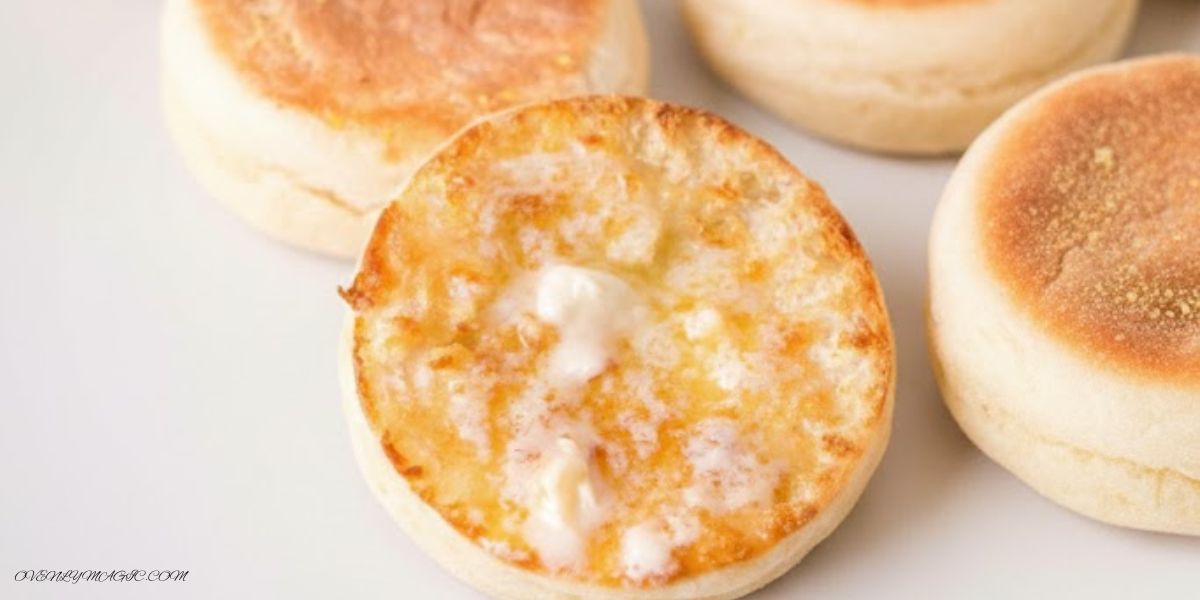
If you’ve ever bought English muffins from the store and felt they were dry, bland, or just not fresh enough, this homemade English muffins recipe is your solution! Soft, fluffy, and lightly chewy with a golden crust, these muffins are perfect for breakfast, brunch, or even a quick snack.
After testing this recipe multiple times in my own kitchen, I’ve perfected the dough, rising, and cooking techniques to ensure consistent results every single time. Whether you’re making classic plain muffins, trying a sourdough version, or even experimenting with add-ins like cinnamon, chocolate chips, or berries, this step-by-step guide will walk you through the process so even a beginner can bake bakery-style English muffins at home.
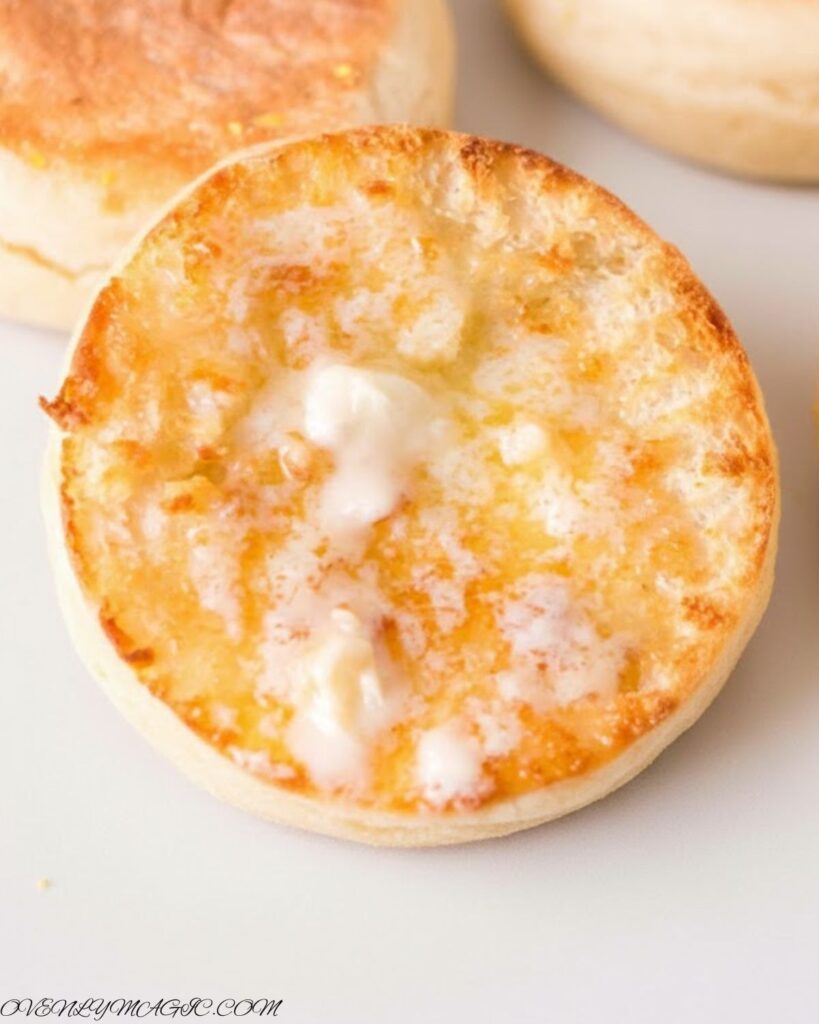
Why You’ll Love These English Muffins
- Soft, tender crumb with a slightly chewy texture
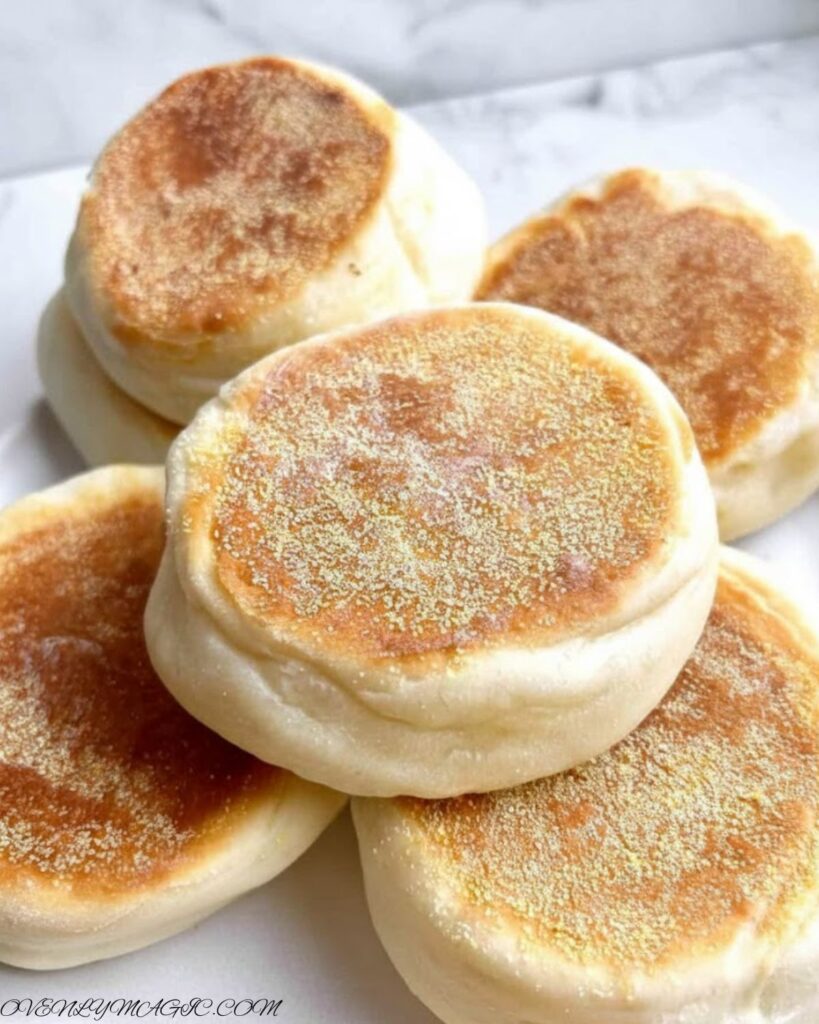
- Golden brown, puffy muffins every time
- Beginner-friendly recipe that works even if you’ve never made yeast dough before
- Perfect for breakfast sandwiches, toast, or topped with butter and jam
- Can be customized with sourdough, gluten-free flour, or flavor variations
Ingredients Needed for English Muffins
- All-purpose or bread flour – 5 ¾ cups
Flour gives structure to the muffins and creates a soft, chewy texture. Using bread flour adds a little extra chewiness for that classic bakery-style muffin. - Warm water – 2 ¾ cups (add more if needed)
Warm water activates the yeast and helps the dough rise. Room temperature water works best to encourage a puffy, soft muffin without killing the yeast. - Kosher salt – 1 tablespoon
Salt enhances the flavor and balances the sweetness. It also strengthens the gluten in the flour, giving the dough a better structure. - Granulated sugar – 4 ½ teaspoons
Sugar feeds the yeast so the muffins rise properly and adds a subtle sweetness for flavor. - Instant or active dry yeast – 4 ¼ teaspoons (~a little less than 2 packets)
Yeast is essential for leavening the dough, creating light, airy, and puffy muffins. Instant yeast works quickly, but active dry yeast can be used if proofed first. - Cornmeal – for dusting
Sprinkling cornmeal on the baking sheet and muffin tops prevents sticking and gives the muffins a slightly crunchy, authentic texture. - Non-stick cooking spray or oil – as needed
Used to grease your hands and plastic wrap, preventing the dough from sticking while shaping and during the rising process.
Pro Tips:
- Mix all-purpose and bread flour for the best texture, soft inside, chewy outside.
- Warm (not hot) water ensures yeast activates properly.
- Cornmeal is optional for aesthetics, but it gives that classic bakery feel.
- Use room temperature ingredients to help the dough rise evenly.
How to Make English Muffins (Step-by-Step)
Step 1: Make the Dough
In a large mixing bowl, combine the flour, warm water, kosher salt, granulated sugar, and yeast. Mix with a sturdy spoon or a dough whisk until the dough is evenly moist, and no dry flour pockets remain. The dough should be shaggy and sticky. Add more water a little at a time if needed.
Why this matters: Sticky dough ensures the muffins stay soft and tender inside, giving that perfect bakery-style crumb.
Step 2: First Rise
Spray a piece of plastic wrap with non-stick cooking spray and cover the bowl loosely. Place the bowl in a warm, draft-free spot and let the dough rise until it doubles in size and becomes puffy and bubbly, about 1 hour.
Pro Tip: Cover loosely so the dough can expand freely without sticking to the wrap.
Step 3: Shape the Muffins
- Line a baking sheet with parchment paper and sprinkle generously with cornmeal.
- Lightly grease your hands with oil or non-stick spray.
- Divide the dough into 16 equal pieces.
- Shape each piece into a smooth, round disc, tucking edges underneath, and flatten to ½–¾ inch thickness.
- Place on the prepared sheet and sprinkle the tops lightly with cornmeal.
Tip: Cornmeal not only prevents sticking but also gives the muffins that classic texture you get in bakery muffins.
Step 4: Second Rise
Cover the shaped muffins loosely with oiled plastic wrap and let them rise 20–25 minutes until slightly puffy.
Step 5: Cook on Griddle
- Preheat an electric griddle to 325–350°F or a stovetop griddle on low heat.
- Lightly spray the griddle with non-stick spray.
- Cook muffins 5–7 minutes per side until golden brown.
- Wipe down the griddle between batches and re-spray as needed.
Tip: Cooking low and slow ensures the muffins brown evenly without drying out the interior.
Step 6: Bake in the oven
- Preheat your oven to 375°F.
- Transfer the cooked muffins to a clean baking sheet.
- Bake 4–5 minutes until the interior temperature reaches 200°F (check with an instant-read thermometer).
Why this step matters: Finishing in the oven ensures muffins are fully cooked inside while staying soft and tender.
Step 7: Cool and Serve
Transfer muffins to a wire rack and let them cool completely before splitting and serving.
Serving Tips: Toast lightly and add butter, jam, or make a breakfast sandwich. Muffins can also be stored or frozen for later use.
Step 8: Optional Tips for Perfect Muffins
- Don’t overmix the dough → overmixing develops gluten and makes muffins dense.
- Measure flour accurately using the spoon-and-level method for the best texture.
- Use warm (not hot) water to activate yeast effectively.
- Room temperature ingredients help the dough rise evenly.

Expert Tips for Soft and Fluffy Muffins
- Use Room Temperature Ingredients – Eggs and water at room temp help the dough rise evenly.
- Don’t Overmix the Dough – Overmixing develops gluten and makes muffins dense instead of soft and tender.
- Check Oven and Griddle Temperature – Low and steady heat ensures muffins cook evenly and develop golden edges.
- Dust Generously with Cornmeal – Prevents sticking and gives that classic bakery-style texture.
- Proof Yeast Properly – If using active dry yeast, proof in warm water before mixing to ensure muffins rise well.
Mistakes to Avoid
- Overbaking → muffins become dry inside
- Using cold water → yeast won’t activate properly
- Skipping cornmeal → muffins stick to the pan or griddle
- Not letting the dough rise enough → muffins remain flat and dense
Variations & Flavor Ideas
- Sourdough English Muffins – Replace some flour with sourdough starter for a tangy flavor.
- Gluten-Free Muffins – Use a gluten-free flour blend; adjust water for proper dough texture.
- Flavored Muffins – Add cinnamon, chocolate chips, or dried fruit for variety.
- English Muffin Pizza – Split muffins, top with tomato sauce, cheese, and toppings, then bake.
Storage
- Room Temperature: Store in an airtight container for up to 3 days.
- Refrigerator: Store up to 5 days.
- Freezer: Wrap individually; freeze for up to 3 months.
Reheating Tip: Microwave 15–20 seconds or toast for a fresh-baked texture.
Serving Suggestions
- Toast & Top: Split the muffins, toast lightly, and add butter, jam, or honey for a classic breakfast treat.
- Breakfast Sandwiches: Layer with eggs, cheese, bacon, or avocado for a filling morning meal.
- Sweet Treats: Spread peanut butter or Nutella, or top with fresh berries and cream.
- English Muffin Pizza: Split muffins, add tomato sauce, cheese, and toppings, then bake for a quick snack or kid-friendly meal.
- Brunch Pairings: Serve alongside coffee, tea, or a fresh smoothie for the perfect weekend brunch.
Check Out These Other Muffin Recipes!
- Homemade English Muffins
- Cinnamon Roll Muffins
- Coffee Cake Muffins
- Orange Muffins
- Brownie Muffins
- Healthy Banana Chocolate Chip Muffins
- Strawberry Cream Cheese Breakfast Muffins
- Double Chocolate Espresso Muffins
- Lemon Blueberry Muffins
- Healthy Blueberry Muffins
- Pumpkin Chocolate Chip Muffins
FAQs About English Muffins
Q: Can I make English muffins ahead of time?
A: Absolutely! They store well in the fridge or freezer and taste freshly baked when reheated.
Q: Why are my muffins dense?
A: Overmixing dough, using cold water, or not letting it rise enough can cause dense muffins.
Q: Can I use active dry yeast instead of instant yeast?
A: Yes! Proof the active dry yeast in warm water first before mixing.
Q: How do I get a golden crust?
A: Dust with cornmeal and cook slowly on a griddle before finishing in the oven.
Q: Can I make these gluten-free?
A: Yes! Use a gluten-free flour blend and adjust liquid as needed for proper dough consistency.
Final Thoughts
These homemade English muffins are soft, fluffy, and slightly chewy with a golden crust, bakery-style results right in your kitchen! With this step-by-step recipe, even beginners can make perfect muffins every time. From classic plain to sourdough, gluten-free, or fun flavored variations, you can customize these muffins to suit any taste or occasion.
Try it today and taste the difference fresh homemade muffins make. Don’t forget to share on Pinterest and leave a comment to let us know your favorite variation!
Homemade English Muffins

Ingredients
- 5 ¾ cups all-purpose or bread flour
- 2 ¾ cups warm water
- 1 tbsp kosher salt
- 4 ½ tsp granulated sugar
- 4 ¼ tsp instant or active dry yeast
- Cornmeal, for dusting
- Non-stick cooking spray or oil, for greasing
Instructions
- Make the Dough: Combine flour, water, salt, sugar, and yeast until sticky and shaggy.
- First Rise: Cover loosely and let dough double in size, about 1 hour.
- Shape the Muffins: Divide into 16 pieces, shape into discs, flatten to ½–¾ inch, sprinkle with cornmeal.
- Second Rise: Cover and let rise 20–25 minutes until puffy.
- Cook on Griddle: Preheat griddle to 325–350°F; cook 5–7 min per side until golden brown.
- Bake in Oven: Transfer to 375°F oven for 4–5 min; internal temp should reach 200°F.
- Cool & Serve: Let cool completely before splitting.
Notes
- Flour Choice: All-purpose works fine, but bread flour gives slightly chewier, bakery-style texture.
- Water Temperature: Use warm, not hot water to activate yeast without killing it.
- Yeast Options: Instant yeast works quickly. If using active dry yeast, proof it in warm water first.
- Dough Texture: Dough should be sticky and shaggy, not dry. This ensures soft, puffy muffins.
- Cornmeal: Dust generously on the pan and tops to prevent sticking and add texture.
- Rising Times: Don’t rush! First and second rise are crucial for puffy, soft muffins.
- Cooking Tips: Low and slow on the griddle prevents burning and keeps the interior soft.
- Oven Finish: Baking after griddle ensures muffins are fully cooked and golden inside.
- Variations: Add cinnamon, chocolate chips, dried fruit, or even savory toppings for variety.
- Storage: Store in airtight container (3 days room temp, 5 days fridge) or freeze (up to 3 months).
- Serving Ideas: Toasted with butter, jam, or make breakfast sandwiches; also perfect for muffin pizzas.